Utila & Aleo: Making private stablecoin payments simple for institutions | Built on Aleo


Welcome to Built on Aleo, a series spotlighting the projects and protocols building on Aleo's privacy-first payment infrastructure.
This edition features Utila, a noncustodial MPC wallet platform used by fintechs, banks, and enterprises to build and manage stablecoin and digital asset operations.
By integrating Aleo’s private stablecoins, Utila was able to combine the privacy that major institutions expect with an onchain user experience they can actually use.
How Utila made it easier to bring institutions onchain
Institutions have shown interest in stablecoins for years, but adoption has been held back. The appeal is obvious: faster settlement, fewer intermediaries, low financial overhead, and programmable operations. However, the user experience of transacting in stablecoins has historically come with a steep learning curve.
Utila set out to solve exactly that. Their noncustodial MPC wallet platform was built for mainstream businesses managing digital assets. It combines the security, flexibility, and ease of use that institutions need to put real money through it.
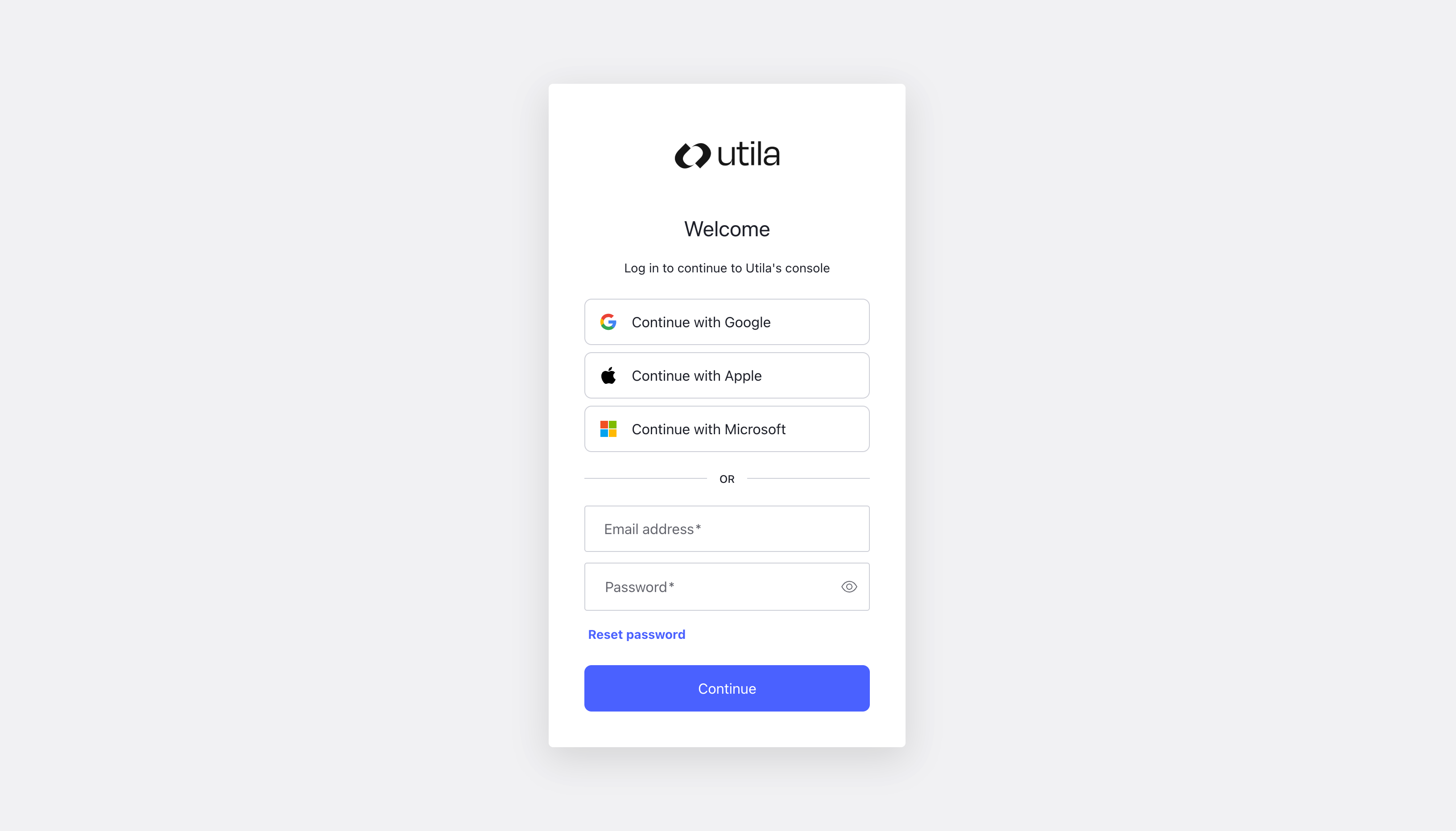
The result is an experience much closer to a traditional banking app, while every piece of financial tooling underneath it runs onchain. Institutions get an interface their teams can actually use, without asking them to become crypto natives first.
But until recently, one important feature was still missing: privacy.
That's where Aleo comes in.
Why privacy became the barrier to institutional adoption
As noted, stablecoins introduce a number of benefits for mainstream institutions. However, they inherited one problem from the public blockchains they were built on: everything is visible by default.
“Privacy has been one of the real blockers stopping institutions from running sensitive financial operations onchain.”
Bentzi Rabi, CEO and Co-founder, Utila
Lacking privacy is a big concern for organizations and the people they serve. A public ledger broadcasts who a business pays, how much, and how often. This information then becomes accessible to competitors, counterparties, and anyone else running chain analysis.
At a recent Utila Builder Session, Aleo's Director of Institutional Partnerships, Sophia Roman, explained how privacy became a blocker to industry adoption.
A lack of privacy created a new barrier for Utila. Current blockchain rails are fast, cheap, and accessible enough. But no matter how much the user experience improved, with financial activity exposed, institutions remained hesitant to move real operations onchain.
Privacy-focused tools do exist, but none have met the requirements of mainstream finance. Privacy coins like Monero and Zcash are volatile by nature and lack the programmability that stablecoin smart contracts depend on. Other approaches like mixers and bolt-on privacy solutions still leak metadata that can be pieced together over time.
Equally important, most privacy solutions have lacked the transparency and controls institutions need to meet their compliance obligations.
Aleo launched the first private, programmable stablecoins to solve this problem.
Aleo brings compliance-friendly privacy to Utila
Aleo is a blockchain built for private, programmable applications. At its core is zero-knowledge proof technology, cryptography that lets the network verify a transaction is valid without revealing the underlying data.
This makes private, onchain finance possible. Balances stay hidden, counterparties remain confidential, and amounts are encrypted. Two programmable stablecoins launched on Aleo inherit that architecture: USDCx and USAD.
Critically, private doesn't mean unaccountable. Because Aleo supports both public and private logic, institutions can build selective disclosure into how they operate. Account holders and authorized parties can view specific transaction details when required, without that information being broadcast to the network by default.
Privacy and compliance aren't in tension here. They're designed to coexist.
This combination was what Utila needed to improve the onboarding experience for mainstream institutions, and it made Aleo their first privacy-focused blockchain partner.
With the integration complete, USDCx and USAD now appear in Utila with two balances per token:
- a shielded balance that's private by default
- a clearly labeled public balance
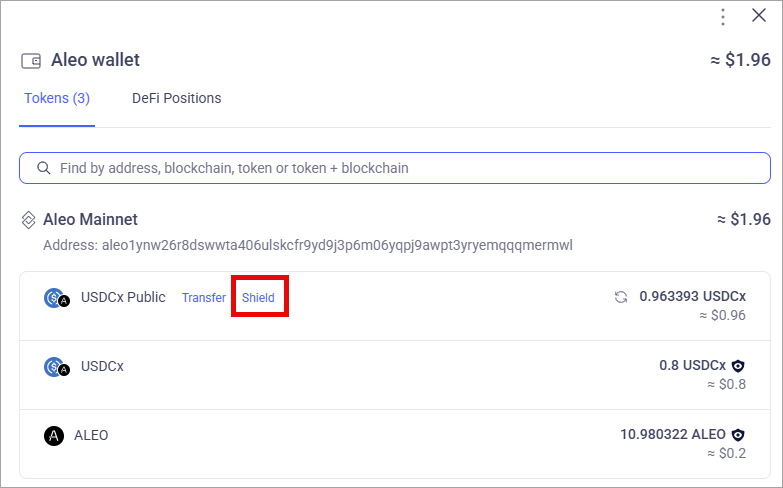
Shielding and unshielding both happen inside the wallet, and Utila sponsors the fees for both, so using these features doesn’t cost any extra for the end user.
"Integrating Aleo into Utila means our clients get the custody infrastructure they're used to alongside the transaction confidentiality their compliance and finance teams actually require."
Bentzi Rabi, CEO and Co-founder, Utila
At first glance, not much changed in the Utila app. It's the same interface and the same workflows, but with privacy underneath and an added “Shield” button. However, the possible use cases for institutions are far broader.
What private stablecoins in Utila unlock for institutions and the people they pay
For Utila, the integration closed the last gap needed for adoption. The platform had already made digital asset operations approachable for mainstream businesses from a security, flexibility, and ease of use standpoint.
Now, private transfers open up a number of new use cases. Payroll, vendor payments, treasury movements, supplier settlements, and cross-border transfers all become viable onchain, because the amounts and counterparties involved stay confidential.
The benefit runs in both directions. Businesses protect their commercial position, their cash position, and their relationships. The people on the receiving end, whether employees, contractors, or vendors, aren't exposed either. Nobody's financial data becomes public record.
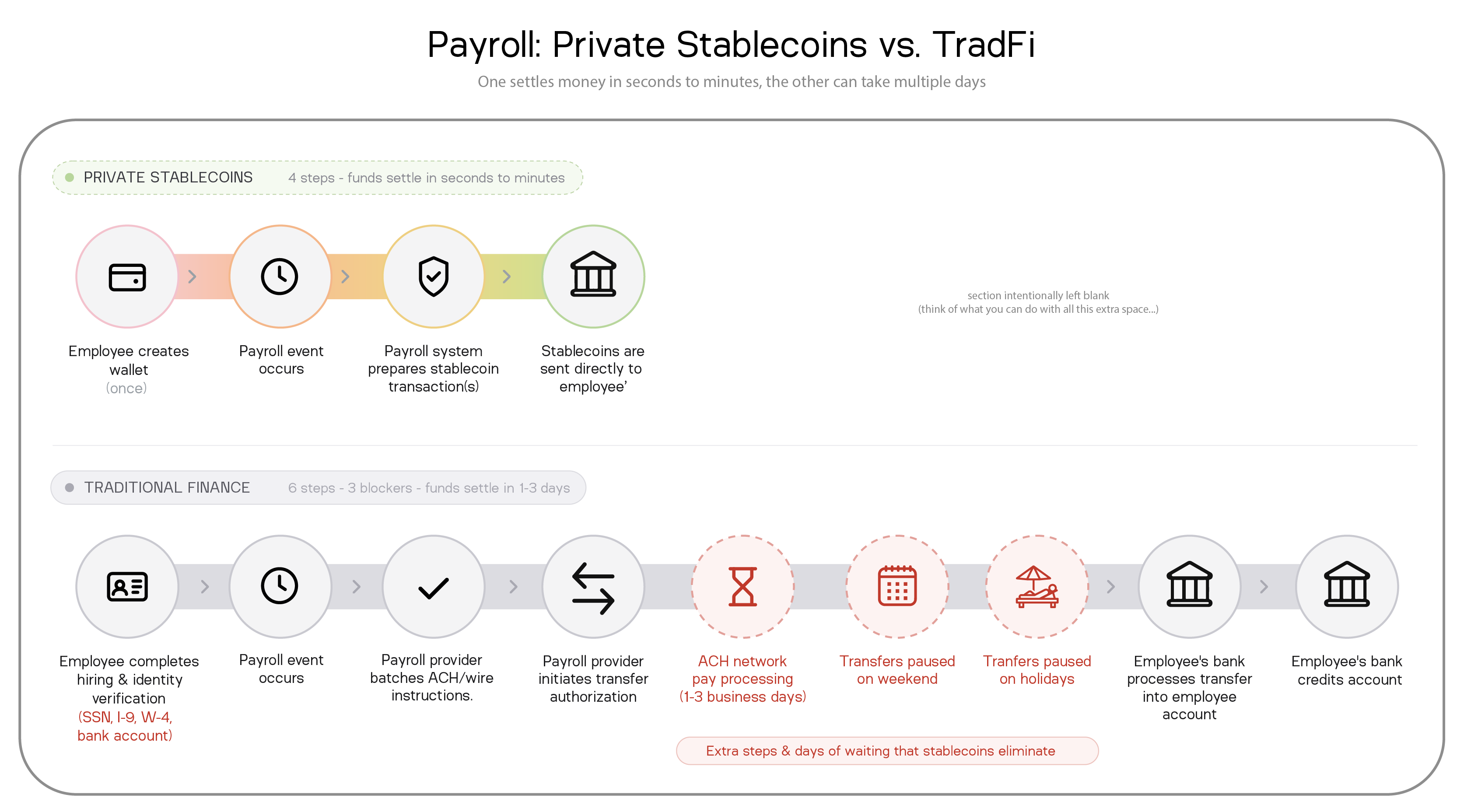
This update will have a big impact on payroll. It's an area that stablecoins should have transformed years ago and didn't, because compensation data is too sensitive to publish. That's no longer a constraint.
For a closer look at how private stablecoin payroll works in practice, read our case study on Toku, who built the first production implementation on Aleo.
Utila and Aleo make private stablecoin payments practical for institutional use cases
The integration leveled up the experience of using stablecoins on multiple fronts. Utila made digital asset operations approachable for mainstream businesses, and Aleo made them private. In short:
- USDCx and USAD are now natively supported in Utila's noncustodial MPC wallets, with both public and shielded balances for each token.
- Aleo is Utila's first privacy-focused blockchain integration.
- Private transfers are the default, and Utila sponsors the fees for shielding and unshielding.
- Shielded doesn't mean unaccountable. Selective disclosure lets auditors, regulators, and compliance tooling access specific details as required.
- It all runs inside wallet infrastructure institutions already use, with no new platform to onboard onto.
Institutions can start using private stablecoins today. Existing Utila customers can enable Aleo inside their vault. But vaults created before Aleo support was added may need a one-time enablement step from an admin. This is covered in Utila's support article.
Head to aleo.org to learn more about private payments, then go to console.utila.io to set up an account or book a demo with the Utila team.